Can Garage Door Opener Remote Controls Be Reprogrammed?
What Does Reprogramming a Garage Door Opener Remote Mean?
Reprogramming a garage door opener remote means syncing or pairing the remote control's transmitter signal with the receiver unit inside the garage door opener motor. This process ensures that when you press a button on your remote, the receiver recognises the unique code and activates the motor to open or close the door. It typically involves pressing a programming button on the receiver board and sometimes entering specific codes using a keypad.
Reprogramming is essential for restoring communication after replacing batteries, updating security codes, fixing syncing issues, or adding new remotes to your system. It often prevents the need to replace the entire remote or opener unit.
- Transmitter and receiver synchronization
- Use of the programming button on the motor unit
- Code duplication and resetting procedures
Are All Garage Door Opener Remotes Reprogrammable?
Not all garage door remotes are created equal, and their reprogrammability depends largely on the technology they use. Older models generally rely on fixed code systems where dip switches inside the remote and receiver board must be manually matched. These are simpler but less secure.
Our Sponsor
A1 Garage Doors Gold Coast
A1 Garage Doors Gold Coast is a Bundall-based garage door specialist serving the southern Gold Coast and surrounding suburbs with installation, repair, maintenance, and emergency garage door services. The company specializes in sectional doors, roller doors, garage door openers, spring and cable replacement, opener motor repair, smart-enabled installations, and 24/7 emergency call-outs across Robina, Burleigh Heads, Surfers Paradise, Nerang, Coomera, and the wider Gold Coast region.
Address:
1 Waterford Court,
Bundall,
QLD
4217,
Australia
Phone: (07) 5515 0277
Business Hours:
- Open 24/7 — Including After-Hours and Emergency Call-Outs
Follow Us:
Newer remotes utilise rolling code technology, which dynamically changes encrypted codes with every use, providing enhanced security against hacking and cloning attempts. Reprogramming rolling code remotes requires more complex syncing methods, often involving advanced programming buttons or keypad entries.
Compatibility is key. Your remote's frequency (commonly 315 MHz or 390 MHz), encryption standards, and compatibility with the garage opener’s receiver determine whether reprogramming will work successfully.
- Fixed code vs rolling code technology
- Dip switch settings in fixed code remotes
- Encryption and frequency matching
- Importance of compatibility for reprogramming
How Do You Reprogram a Garage Door Opener Remote?
Reprogramming your garage door remote involves initiating programming mode on the opener’s receiver and syncing it with the remote transmitter. While variations exist across brands and models, the process generally follows similar steps:
- Locate and press the programming (also called "learn" or "set") button on the garage door opener’s motor unit.
- An LED indicator will usually blink or light up, signalling programming mode.
- Within a set time frame (often 30 seconds), press and hold the desired button on your remote control.
- Wait for a confirmation signal—typically a flashing light or beep—that indicates successful programming.
- Test the remote to ensure it operates the garage door correctly.
Referencing your user manual or manufacturer’s guide for exact details is always recommended.
Step-By-Step Method to Reprogram Using the Programming Button
- Open your garage door to access the motor unit.
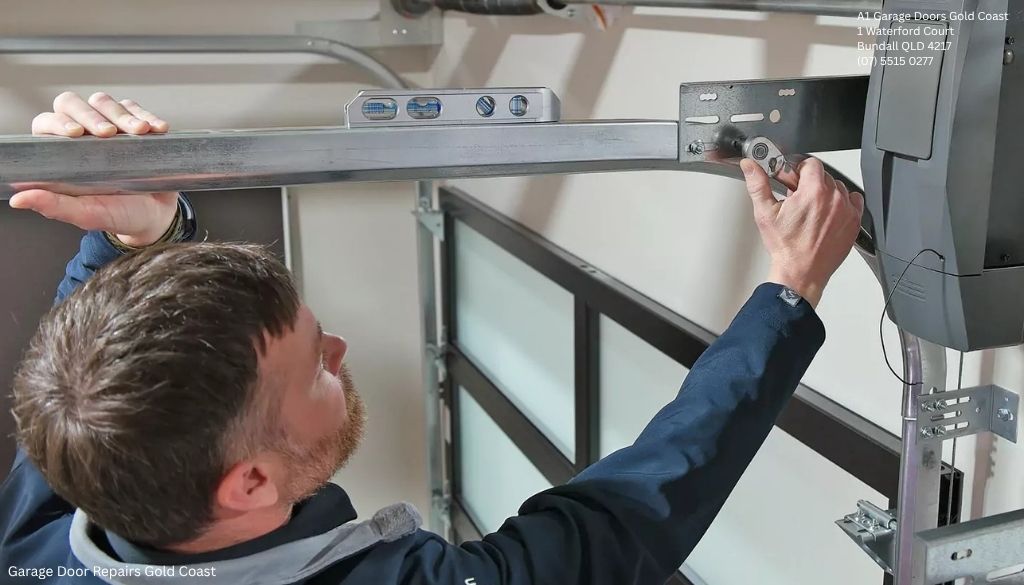
- Find the programming button on the receiver board, commonly located near the antenna wire or sensor.
- Press and release the programming button; the LED indicator should start blinking.
- Within 30 seconds, press and hold the remote button you want to program.
- Observe the LED; flashing or a beep usually confirms the remote is now synced.
- Close the garage door and test the remote to verify functionality.
Reprogramming Keypad Entry Remotes
Some garage doors feature a keypad outside the garage for keyless entry. To reprogram these:
- Enter the existing pin code on the keypad.
- Press the programming button on the motor unit inside the garage.
- Follow manufacturer instructions to enter or sync the new remote’s code via the keypad.
- Confirm by testing both the keypad and remote functions.
Can You Clone or Duplicate a Garage Door Remote’s Signal?
Cloning a remote means copying its exact signal to another device. For fixed code remotes, cloning is possible because the code is static and can be duplicated using certain universal remotes or devices. However, this presents a security risk as anyone with a cloned remote could access your garage.
Rolling code remotes intentionally prevent cloning by using encryption and dynamic codes that change with each use. Attempting to clone rolling code remotes is not only difficult but also compromises system integrity, https://goldcoastgaragedoorrepair.com.au/opener-repair/ potentially leading to syncing conflicts or security breaches.
It is safer and more reliable to reprogram remotes directly with your garage door opener rather than cloning signals.
What Factors Affect Successful Reprogramming or Syncing?
Several variables can impact your ability to successfully reprogram your garage door remote:
- Signal interference: Wireless routers, power tools, or nearby electronic devices operating on similar frequencies can disrupt the signal between remote and receiver.
- Frequency matching: The remote and receiver must operate on the same frequency band—commonly 315 MHz or 390 MHz.
- Battery quality: Weak or dead batteries in your remote can reduce transmission strength and stall programming.
- Receiver antenna condition: A damaged or improperly positioned antenna on the motor unit can degrade signal reception.
- Proximity: Programming generally requires the remote to be within close range of the receiver.
- Power supply stability: Fluctuations or outages in the garage door opener motor’s power can interrupt programming.
When Should You Consider Replacing Instead of Reprogramming Your Remote Control?
While reprogramming is often a cost-effective solution, replacement becomes necessary under certain conditions:
- The remote is physically damaged, such as cracked casing or unresponsive buttons.
- Incompatibility exists between the remote and your garage door opener system, especially if upgrading to newer technology.
- The built-in backup battery or power cells are faulty and non-replaceable.
- Firmware or encryption protocols are outdated, leading to security vulnerabilities.
- Repeated programming attempts fail due to internal hardware defects.
- You require professional installation due to system complexity or integration with smart home devices.
How Does Smart Garage Technology Affect Remote Control Reprogramming?
The rise of smart garage technology integrates traditional garage door control with smartphone apps, home automation hubs, and voice assistants. Smart openers use Wi-Fi or Bluetooth to communicate, reducing reliance on physical remote controls.
These systems often allow digital syncing between your smart device and the garage controller, bypassing the typical programming button method. They provide features like temporary access codes, real-time monitoring, and enhanced encryption for better home security.
Despite these advancements, many smart garages still support standard remote syncing for backup or multiple users who prefer physical remotes.
Troubleshooting Common Problems During Remote Reprogramming
If your remote fails to program correctly, consider the following troubleshooting tips:
- Replace or recharge the remote’s battery to ensure adequate power.
- Verify you are pressing the programming button correctly and within the required time frame.
- Reset the garage door opener to factory defaults to clear previous settings.
- Minimise signal interference by turning off nearby wireless devices or moving the remote closer.
- Check for any error indication via the LED indicator on the motor unit or remote.
- Consult your user guide for model-specific reset and syncing procedures.
- If problems persist, seek assistance from a qualified technician.
Expert Advice on Maintaining and Securing Your Garage Door Remote Controls
Maintaining optimal performance and security of your garage door remotes involves:
- Regularly replacing remote batteries to avoid weak signals.
- Using rolling code technology remotes to minimise hacking risks.
- Updating firmware on smart controllers when available to patch vulnerabilities.
- Avoiding cloning of remotes to protect against unauthorised access.
- Securing your keypad lock codes and changing them periodically.
- Engaging professional technicians for complex installations and troubleshooting to ensure correct setup and security compliance.
How to Extend the Range of Your Garage Door Remote Control
If your garage door remote struggles with distance, try these tips to improve signal range:
- Reposition the receiver antenna on the opener motor for optimal signal reception.
- Remove physical obstructions between your remote and garage motor unit.
- Upgrade to a remote control with higher transmission power.
- Ensure fresh batteries and proper maintenance of the remote casing.
The Role of Firmware Updates in Garage Door Remote Control Functionality
Firmware updates on modern garage door openers can:
- Fix bugs affecting remote compatibility and syncing functions.
- Enhance encryption and overall security protocols.
- Improve system stability and expand support for newer remotes or smart devices.
Checking for firmware updates regularly, especially in smart garage systems, helps maintain optimal performance and security.
Understanding Different Garage Door Motor Types and Their Impact on Remote Programming
The type of garage motor and its receiver board influences programming steps and compatibility. Chain-drive, belt-drive, and direct-drive motors may have variations in:
- Programming button location and function.
- Receiver sensitivity and antenna design.
- Integration capabilities with smart controllers and keypads.
Always consult the user guide specific to your garage motor model when programming remotes.
Frequently Asked Questions (FAQ)
Can I reprogram my garage door remote without the manual?
Yes, many remote controls use standard programming methods involving the programming button. However, the manual provides model-specific guidance that eases the process and prevents errors.
How long does it take to reprogram a garage door remote?
Typically, reprogramming takes between 5 to 10 minutes when following proper instructions.
Why isn’t my garage door remote working after reprogramming?
Common reasons include dead remote batteries, incorrect timing during programming, frequency mismatches, or signal interference.
Can multiple remotes be synced to one garage door opener?
Yes, most garage door openers allow multiple remotes and keypads to be synced simultaneously for shared access.
Is it safe to clone my garage door remote?
Cloning fixed code remotes is possible but reduces security. Rolling code remotes are designed to resist cloning to protect your home.
What should I do if my remote stops working suddenly?
Check and replace the battery first, attempt reprogramming, inspect for damage, and ensure there’s no interference. Consult a technician if problems persist.
Can reprogramming improve the security of my garage door system?
Yes, particularly when upgrading from fixed code to rolling code remotes, reprogramming enhances protection against unauthorized access.
Are professional services required for remote reprogramming?
While many homeowners can reprogram remotes themselves, professionals are helpful for complex systems, integrations with smart home technology, or persistent troubleshooting.
How often should I replace my garage door remote batteries?
Replacing batteries every 1 to 2 years or when performance declines is recommended to maintain reliable operation.
Can smart home apps replace traditional garage remotes?
Smart home apps can complement or replace traditional remotes, offering remote access, automation, and enhanced security features, although many systems still support physical remotes as backups.
Summary
Garage door opener remote controls can be reprogrammed in most cases, allowing you to restore, enhance, or expand your garage access conveniently and securely. Understanding the type of remote technology, following proper syncing procedures, and maintaining your equipment ensures smooth operation and improved home security. Advances in smart garage technology add convenience while retaining compatibility with traditional remotes. Whether you choose to reprogram or replace your remote, informed choices based on compatibility and security considerations are vital for hassle-free garage door control.